Tài Liệu Wordpress
Understanding gambling addiction Signs, symptoms, and paths to recovery
Understanding gambling addiction Signs, symptoms, and paths to recovery
Recognizing the Signs of Gambling Addiction
Gambling addiction, often referred to as compulsive gambling, manifests through various signs that can be subtle or overt. One prominent indicator is the inability to control gambling behaviors, leading individuals to wager more than they can afford to lose. This compulsive behavior often escalates over time, resulting in significant financial, emotional, and social consequences. In this context, exploring the world of brand new casinos can reflect the thrill that fuels addiction.
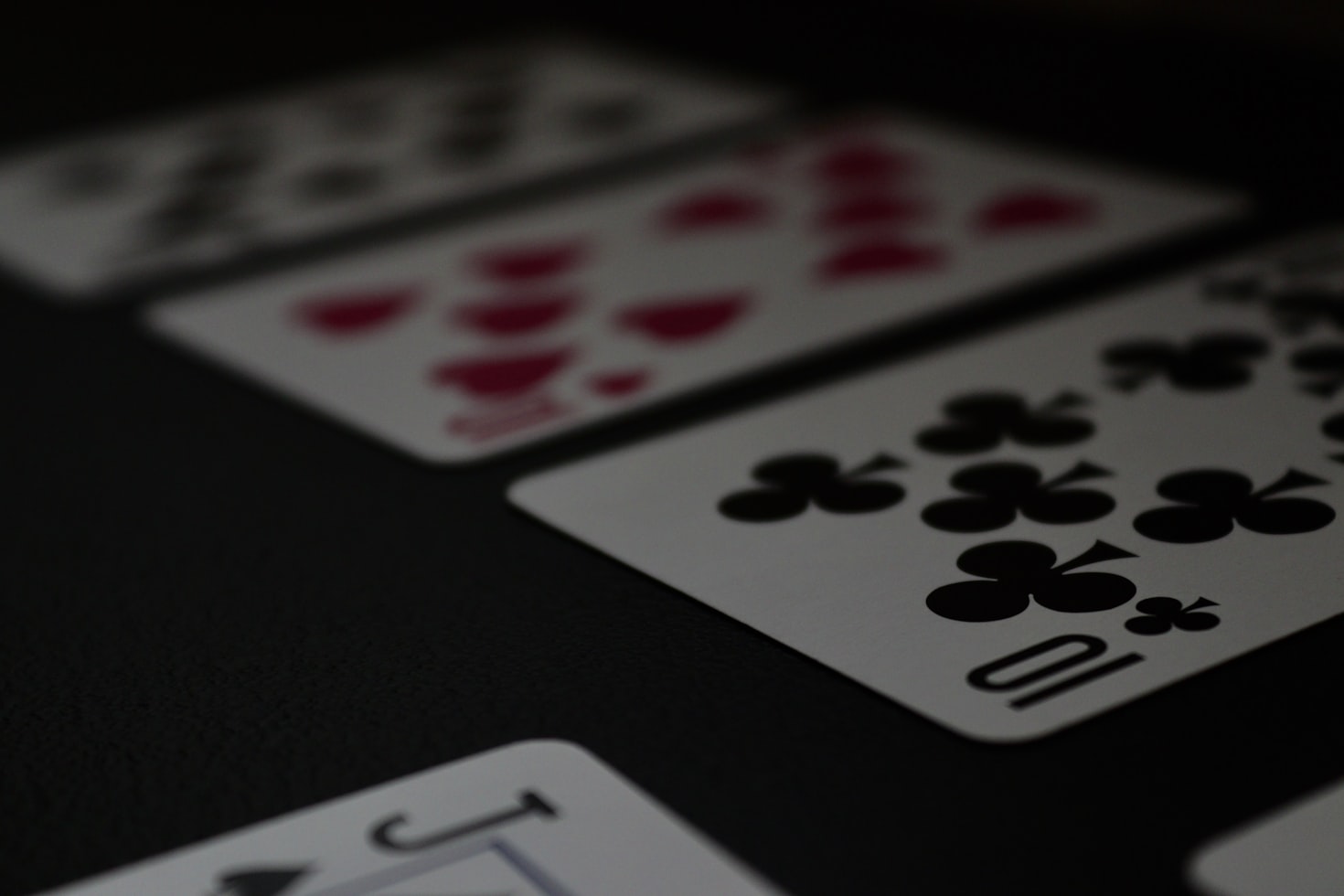
Additionally, individuals may exhibit a preoccupation with gambling, spending excessive time thinking about past gambling experiences or planning future bets. This mental fixation can interfere with daily responsibilities, such as work and family obligations, highlighting the need for awareness and intervention.
Understanding the Symptoms of Compulsive Gambling
The symptoms of gambling addiction can be categorized into emotional, behavioral, and physical manifestations. Emotionally, individuals may experience feelings of anxiety, depression, or irritability when they are not gambling. These emotional swings can be distressing and contribute to a cycle of escapism through gambling.
Behaviorally, symptoms may include lying about gambling habits, hiding evidence of gambling, or engaging in illegal activities to fund gambling. Physically, one may notice changes in sleeping patterns or neglecting health and personal care, further indicating the harmful grip of addiction.
The Impact of Gambling Addiction on Relationships
Gambling addiction does not only affect the individual; it deeply impacts relationships with family and friends. Trust is often eroded as individuals become secretive about their gambling habits, leading to feelings of betrayal and resentment among loved ones. Partners may feel neglected or unsupported, as time and resources are diverted to gambling activities.
Furthermore, the financial strain caused by gambling debts can create significant stress within families. This stress can lead to arguments, breakdowns in communication, and ultimately, the disintegration of relationships, highlighting the far-reaching effects of gambling addiction on interpersonal connections.
Effective Paths to Recovery from Gambling Addiction
Recovery from gambling addiction is a multifaceted process that often includes therapy, support groups, and lifestyle changes. Cognitive-behavioral therapy (CBT) is particularly effective, helping individuals understand the underlying causes of their addiction and develop coping strategies. Therapy provides a safe space to explore emotions and triggers associated with gambling.
Support groups, such as Gamblers Anonymous, offer a community for individuals seeking to share their experiences and gain insights from others who are on a similar path to recovery. Together, these approaches create a robust support system that fosters accountability and encourages positive behavioral changes.

About Us
Our platform is dedicated to providing valuable resources and information regarding gambling addiction and recovery. We aim to create awareness about the signs and symptoms of this condition, as well as the pathways to effective recovery. By fostering a supportive community and sharing expert insights, we hope to assist those affected by gambling addiction in finding the help they need.
We believe that understanding gambling addiction is the first step toward recovery. Our commitment to providing accurate and compassionate information ensures that individuals can navigate their journey with the necessary tools and support, paving the way for a healthier, more balanced life.
