Tài Liệu Wordpress
Understanding gambling addiction signs, struggles, and solutions
Understanding gambling addiction signs, struggles, and solutions
Recognizing the Signs of Gambling Addiction
Gambling addiction can manifest in various ways, making it crucial to recognize its signs early. Individuals may find themselves preoccupied with gambling, constantly thinking about previous bets or planning their next gambling outing. This obsession often leads to neglecting personal relationships, work responsibilities, and everyday activities, as gambling becomes the primary focus of their life. For those interested in a secure and engaging gaming experience, 1win offers a range of options tailored for serious bettors and casual players alike.
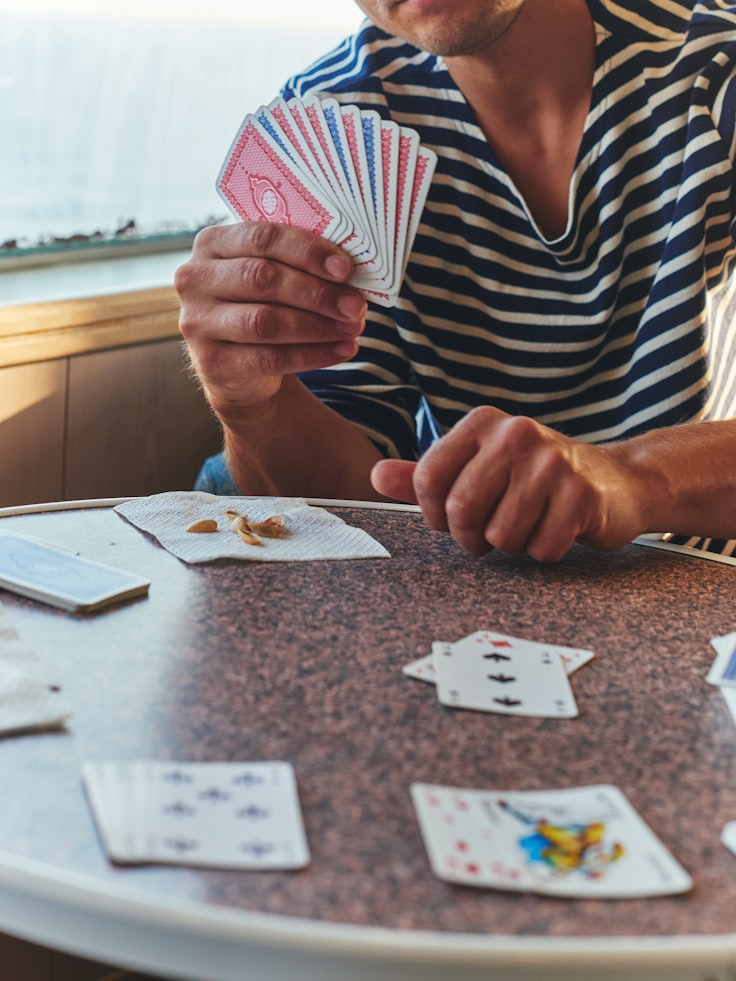
Another key sign is the inability to control gambling habits. This might include unsuccessful attempts to cut back or stop gambling altogether. Emotional responses, such as anxiety or irritability, when not gambling can also indicate an unhealthy attachment to the activity. Understanding these signs is vital for early intervention and support.
The Emotional and Financial Struggles of Gambling Addiction
The emotional toll of gambling addiction can be devastating. Many individuals experience feelings of shame, guilt, and isolation, as they often hide their behavior from loved ones. The cycle of chasing losses can lead to a desperate need for money, often resulting in borrowing from friends or family, or even engaging in illegal activities to fund gambling habits.
Financial struggles are another significant consequence of gambling addiction. The pursuit of that elusive win can lead to mounting debt, bankruptcy, and loss of savings. Relationships often suffer as financial stress creates tension and mistrust among family members, further entrenching the addict in a cycle of despair.
Finding Help: Treatment Options for Gambling Addiction
Seeking help for gambling addiction is a crucial step toward recovery. Various treatment options are available, including therapy, support groups, and even medication in some cases. Cognitive-behavioral therapy (CBT) has proven effective, helping individuals change their thought patterns and behaviors related to gambling.
Support groups, like Gamblers Anonymous, provide a community of individuals facing similar struggles, creating a sense of belonging and shared experience. Engaging in these therapies can offer the support necessary to break free from addiction and develop healthier coping mechanisms.
The Role of Family and Friends in Recovery
The support of family and friends plays a pivotal role in an individual’s recovery from gambling addiction. Loved ones can provide encouragement and accountability, helping the individual stay committed to their recovery plan. Open communication about the addiction can also foster understanding and healing within relationships.
Additionally, family therapy can help address the effects of addiction on family dynamics and support healing as a unit. Encouraging loved ones to seek their own support is equally important, as they navigate the challenges associated with supporting someone in recovery.

Empowering Yourself with Knowledge and Resources
Awareness and education are key components in combating gambling addiction. By understanding the signs, struggles, and solutions, individuals can better equip themselves to seek help or assist others. Resources such as educational websites, hotlines, and community programs can provide vital information and support for those affected by gambling addiction.
For anyone seeking a safe and secure gaming environment, exploring platforms designed with player safety in mind can be beneficial. Engaging responsibly in gaming activities can help prevent the onset of problematic behaviors, ensuring a healthier relationship with gambling in the long run.
